


0 B
Deal size
109.3B in available infrastructure projects, bid-market
Who we are
M&A Advisory Group AG is a Swiss M&A and infrastructure advisory firm headquartered in Zug, providing buy-side advisory, sell-side advisory, company valuation, due diligence, and corporate finance across Switzerland and cross-border infrastructure transactions. We advise sponsors, corporates, and institutional investors on energy infrastructure, renewable energy M&A, digital infrastructure, telecom infrastructure, and data center transactions—combining investment banking discipline with sector-specific underwriting for regulated, long-dated assets.
0 B
109.3B in available infrastructure projects, bid-market
8–36 months
Average timeline from mandate to signing
0 projects
359 projects in the pipeline, bid-market
New pipeline projects · Indicative costs & dates
We maintain a broad database of current infrastructure project calls spanning 40,000+ international opportunities, and support clients in finding the right fit.
| ID | Project | Country | Estimated cost | Planned date | Region |
|---|
Sell-side means we work exclusively for the seller-whether you are divesting a platform company, a project stake, or a regulated asset. Our job is to prepare the story, run a disciplined process, and help you choose the right buyer and terms-not to split loyalties with the other side of the table.
Buy-side means we represent the acquirer: helping you screen targets, test value under conservative assumptions, run diligence with discipline, and negotiate from a position where you understand the asset better than the seller expects, while keeping your IC, lenders, and integration stakeholders aligned.
Capital advisory means we help owners and sponsors raise, refinance, or reshape funding for infrastructure assets and platforms: aligning the economic story with how lenders and institutional investors actually underwrite, then running a process that is credible in IC rooms and executable in legal documentation.
This is where the mandate is not “standard M&A.” We support clients when the situation is time-pressured, politically visible, or balance-sheet constrained: carve-outs, accelerated processes, defence preparation, stakeholder alignments, recapitalisations paired with corporate action, or paths that require creativity because the obvious playbook does not fit the asset or the owners.
M&A Advisory Group AG is an independent infrastructure M&A advisory firm serving sponsors, investors, and corporates across DACH. Our mandate is simple on paper and demanding in practice: discretion, clarity, and outcomes—from strategy through signing and, where needed, capital alignment.
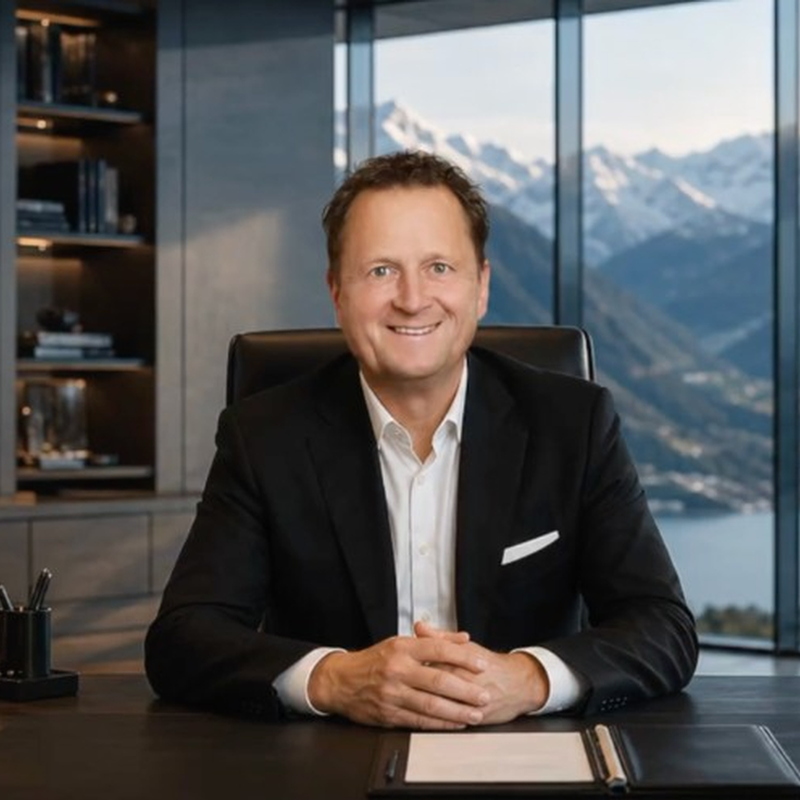
Tax adviser | Entrepreneur & managing director of several advisory firms | Expert in corporate structuring & financing | Strategy adviser to SMEs & scale-ups | Vision coach | Founder of the SAG Group | International tax specialist | Member of the Board of Directors (CH)
RKW NRW (registered management consultant), Offensive Mittelstand INQA, Existenzgründerstammtisch (co-initiator), and various mid-sized companies on financing, restructuring & strategy.
Graduate in business administration (University of Duisburg, focus on taxation, auditing & controlling); German chartered tax adviser examination (Steuerberaterexamen).
Co-initiator of Existenzgründerstammtisch Mülheim; long-term support for entrepreneurs in family-owned and mid-sized firms through coaching, workshops & strategic guidance.
Profile: sag-concept.de

Politician | President, IFED | UN U4SSC expert | Global Shaper (World Economic Forum) | Former Senior Senator, WBAF | Board member | Consultant | Former member of the WBAF Global Science, Technology & Innovation Committee | AI & Web3 | ParlDigi Champion 2023
Finance commission Unterägeri, Quranium (quantum-proof hybrid DLT infrastructure), School of Entrepreneurship Development (SED), FishVeg senior team — ESG lead, Mentaligsundheit.ch operations lead, Zyber365 (unicorn).
MSc in Applied Information & Data Science (current standing 84 ECTS); BSc in Business Administration with majors in Digital Business & AI management; vocational training in finance & accounting (KBZ); extended commercial apprenticeship (Kaufmännisches Bildungszentrum).
Ambassador for the SHC Global Initiative (children's wellbeing); Swiss national delegate (political assemblies).
Profile: president.ifed.global ifed.global
At MAAG, personal relationships and trusted collaboration are at the centre of what we do. Our focus is the DACH region – Germany, Austria, and Switzerland.
We look forward to welcoming our clients in person at the office locations listed below, by prior appointment.
We hire people who combine financial and technical literacy with stamina for long-cycle infrastructure work. You will spend time in data rooms, on site visits, and in IC-style conversations—not only in slide workshops.
Five active searches across advisory and capital teams. Roles are based in Zug with travel across DACH; hybrid patterns are agreed per team.
We organise our work around physical-economic platforms: the networks and built environments where long-term contracts, regulation, and capex cycles drive value. That lens keeps diligence, buyer conversations, and capital solutions grounded in how assets actually run, not only how they look in a slide deck.
Motorways and toll systems, rail corridors, airports, ports, and urban transport schemes: assets where demand, pricing power, and maintenance intensity interact with long concession or lease structures and visible public accountability.
The civil and structural envelope around energy networks and generation sites: corridors, foundations, roads, yards, flood protection, and balance-of-plant works that determine whether schedules, budgets, and contractor interfaces survive contact with reality.
Wind, solar, hydro, and storage portfolios where merchant and contracted revenue mix, grid access, repowering optionality, and offtake quality drive valuation—renewable energy M&A advisors for Swiss and cross-border infrastructure transactions.
Fiber, towers, edge, and AI-ready digital infrastructure where tenancy, power, and route density interact—digital infrastructure investment banking and M&A advisory for Switzerland and European consolidation themes.
Passive and active network assets, wholesale models, and shared infrastructure where telecom infrastructure transactions require regulatory clarity, tenancy durability, and disciplined corporate finance for long-hold investors.
Hyperscale, colocation, and edge facilities where power, cooling, and tenancy define infrastructure valuation multiples—data center M&A and consolidation advisory across Switzerland and Europe.
Capture, treatment, distribution, and discharge systems governed by public health logic, tariff rules, and long asset lives: where reliability, environmental compliance, and municipal politics meet private finance.
Waste treatment, recycling, remediation-linked services, and environmental systems where permitting, emissions, and gate fee economics drive cash flow stability and where reputational risk can move as fast as financial risk.
Buried networks for power, heat, water, telecoms, and combined utilities: assets where route rights, construction productivity, and interference risk dominate diligence once you leave the headline revenue story.
Logistics hubs, business parks, regeneration sites, and industrial platforms where land, planning, tenancy mix, and phased delivery create value and where the path from land bank to stabilised income is rarely linear.
Heavy civil disciplines such as tunnels, bridges, marine works, geotechnically complex sites, and major earthworks: projects where method-driven cost and schedule risk can dominate enterprise value if it is not bounded early.
We advise on infrastructure M&A and capital situations across DACH where discretion, technical depth, and process discipline matter. Public references are the exception; most work is confidential. What we can share here is structured as illustrative case studies so you can see how we think, scope, and run mandates without disclosing live positions.
Active infrastructure processes move quickly: long lists shorten, diligence windows compress, and capital providers need clarity on risk allocation. We maintain a controlled pipeline of live and near-live situations across our platform focus areas, shared only with parties who fit mandate criteria and pass our conflict and confidentiality checks.
Infrastructure transactions depend on capital that can underwrite complexity: pension and sovereign wealth anchors, core and core-plus funds, specialist lenders, and strategic balance sheets. We work alongside sponsors to map the right capital stack and to keep institutional partners aligned from first conversation through close.
Germany, Austria, and Switzerland sit at the centre of a dense network of regulated assets, concession economics, and cross-border capital. Infrastructure M&A here is rarely “generic”: tariffs, planning law, subsidy regimes, and lender technical standards differ by jurisdiction, yet sponsors and investors often need one coherent story across borders.
Most of our work is confidential and will never appear as a headline. Where a transaction is public or a mandate permits disclosure, we coordinate messaging with clients and counsel so the market hears one accurate story—not fragments.
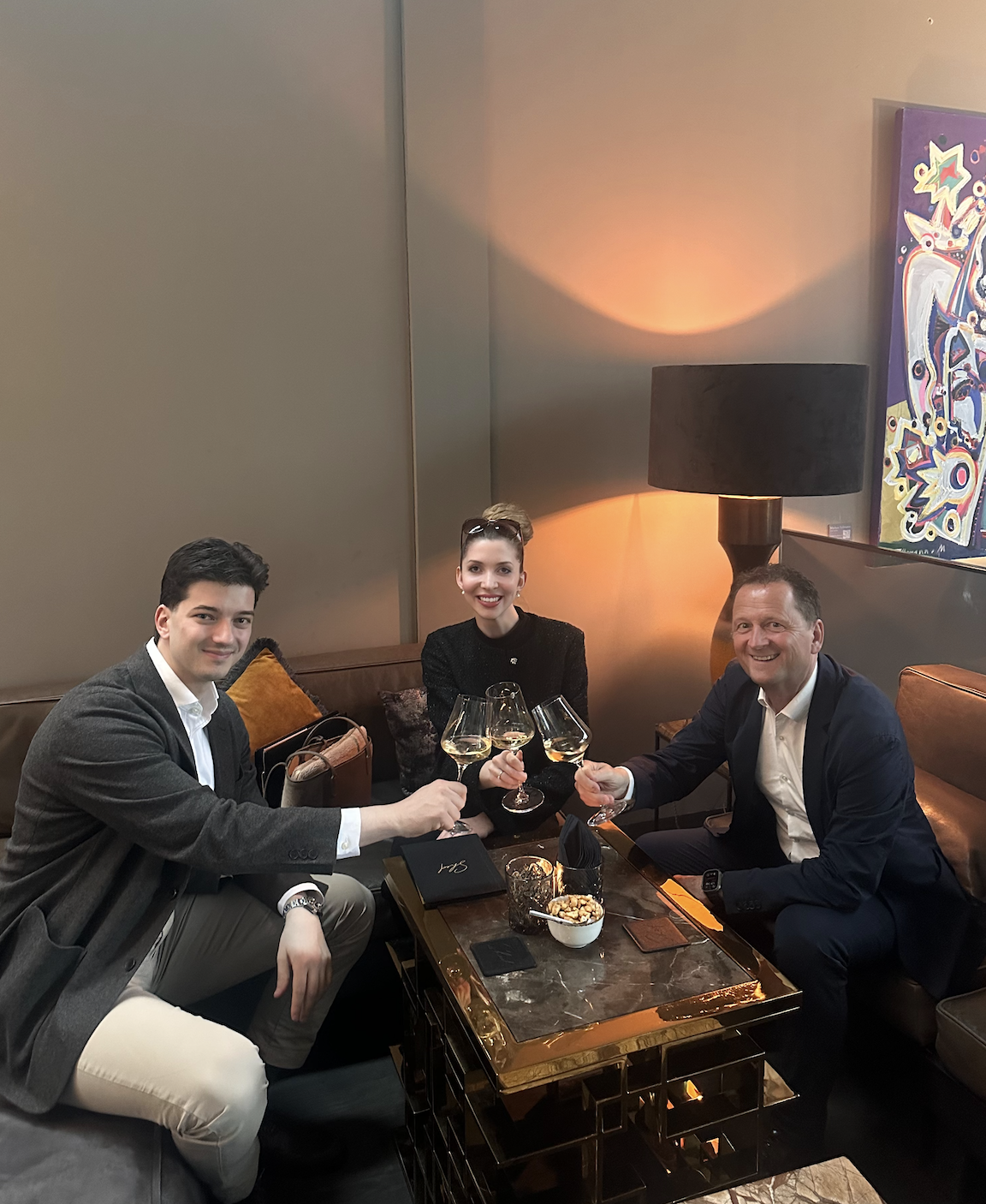
On 30 April 2026 we successfully established our new Swiss headquarters with the founding of M&A Advisory Group AG—the company has been entered in the Swiss commercial register.
You can find more information in the commercial register extract (Canton of Zug, CHE-434.520.392).
Founding this company marks more than a milestone—it reflects our belief that lasting success is built on trusted relationships, shared vision, and the people behind every transaction.
Axel Gerads, Antonia Martina Durisch and Filip Pobor
Your journey with us—from a first conversation to a completed deal, and when success fees typically align with purchase-price flow (as set out in our agreed contract).
Investors interested in infrastructure deals can join our network. We let you know when we have consortium opportunities and news that fit your mandate.
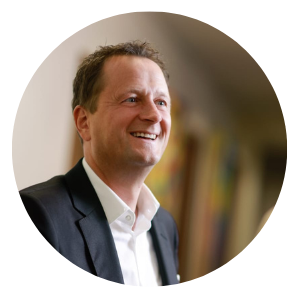
I am Axel Gerads, Member of the Board of Directors at M&A Advisory Group AG.
We have built this platform to guide you efficiently to the information, opportunities, or advisory support you require.
How can we support you today?
Step 1 of 2
Step 2 of 2 · Advisory
Step 2 of 2 · Our Specialisation
Step 2 of 2 · Deals & capital
Step 2 of 2 · Insights
Step 2 of 2 · Firm
Step 2 of 2 · Engage

